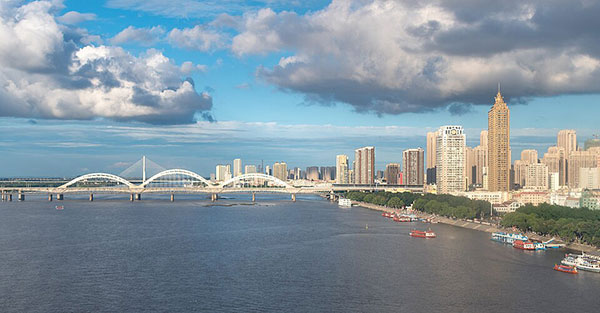
Harbin
Harbin, which has not only brought together the history and culture of northern ethnic minorities but also integrated Chinese and foreign cultures. It is a famous historical and cultural city and tourist city in China, also known as "the Ice City", "Oriental Moscow" and "Oriental Paris". The whole city covers an area of 53,100 km2 (including an urban area of 10,198 km2), occupying 0.55% of the country's land area, with its population occupying 0.7% of the country's total population. It has 45 ethnic minorities, bringing a variety of religious cultures together, making it the only city featuring the co-existence of Buddhism, Taoism, Christianity, Catholicism, Islam and Orthodox Christianity in China.
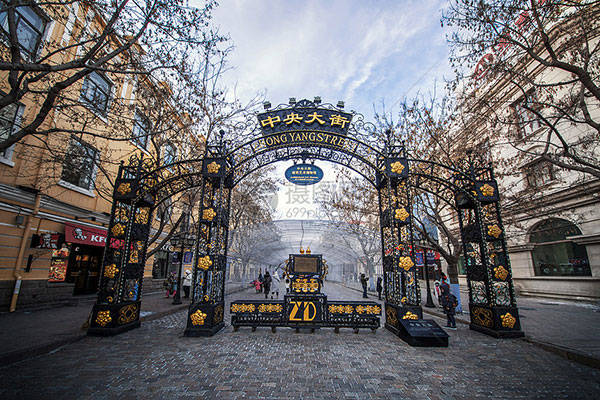
Central Street
It was built in 1898, and has now developed into a bustling commercial street with a total length of 1450m, starting from the Songhua River Flood Control Monument in the north and extending to Jingwei Street in the south. Central Street involves the four most influential architecture schools in the history of Western architecture and almost 300 years of the most glamorous cultural development history of Europe. Due to this, people usually compare it with Regent Street in London, the Champs Elysees Avenue in Paris, Linden Street in Berlin, Ginza Street in Tokyo, the Bund in Shanghai and Victoria Avenue in Tianjin. Walking on Central Street, tourists feel like they have entered a foreign country.
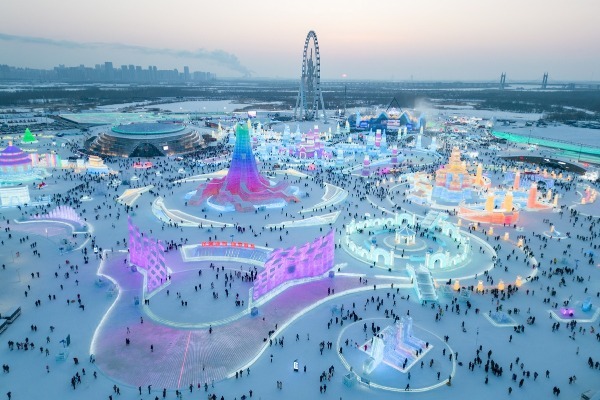
Ice and Snow World
The park area, located on the north bank of the Songhua River, to the west of the Harbin-Heihe Highway, adjacent to Harbin Sun Island Scenic Area, is a large ice and snow paradise integrating ice and snow animation, ice and snow shows, ice acrobatics, and ice sculpture exhibitions and perfectly combining technology, art and culture. When night falls, the brilliant ice and snow world becomes magical and magnificent.